

Kroglični ventili služijo predvsem kot vklopno/zapiralne naprave. Njihova zasnova omejuje njihovo sposobnost natančnega nadzora pretoka. Ta omejitev lahko vpliva na njihovo učinkovitost v nekaterih aplikacijah protipožarne zaščite. Tukaj je nekaj ključnih točk gledefire protection valveskrogelnih ventilov:Funkcija vklopa/izklopaKrogelni ventili so odlični za hitro zapiranje ali omogočanje pretoka tekočine. Vendar pa ne delujejo dobro, kadar morajo upravljavci postopoma prilagajati pretok.Težave z dušenjemKo so kroglični ventili delno odprti, lahko povzročijo turbulenco. Ta turbulenca lahko povzroči padce tlaka in neskladne pretoke. Takšno vedenje lahko ovira delovanje sistemov za gašenje požara.Regulacija pretokaKrogelni ventili niso primerni za aplikacije, ki zahtevajo fino regulacijo pretoka. Njihova zasnova ne omogoča postopnega prilagajanja. Ta omejitev je lahko problematična v primerih, ko je natančna dobava vode bistvenega pomena.NapitninaZa aplikacije, ki zahtevajo modulacijo pretoka, razmislite o uporabi zapornih ventilov ali drugih vrst ventilov, zasnovanih za dušenje.
Spodnja tabela povzema zmogljivosti regulacije pretoka krogličnih ventilov v primerjavi z zapornimi ventili:
- Vrsta ventila
- Zmogljivost nadzora pretoka
- Idealen primer uporabe
- Kroglični ventilOmejeno
- Vklop/izklop storitveZaporni ventil
Zmerno
Dušenje in regulacija pretokaUporaba v protipožarnih sistemihProtipožarni ventili igrajo ključno vlogo v različnih aplikacijah znotraj protipožarnih sistemov. Njihova izbira je odvisna od specifičnih operativnih zahtev in narave strategije protipožarne zaščite. Spodaj je navedenih nekaj ključnih aplikacij zapornih ventilov in krogličnih ventilov v protipožarnih sistemih:
| 1. Sistemi za gašenje požarov | Ball Valves | Gate Valves |
|---|---|---|
| Sistemi dvižnih cevi, ki jih pogosto najdemo v poslovnih stavbah, se za zagotavljanje zadostne oskrbe z vodo za gašenje požarov zanašajo na protipožarne ventile. Zaporni ventili se pogosto uporabljajo za izolacijo delov sistema, kroglični ventili pa omogočajo hitro upravljanje za takojšen dostop do vode. | 3. Sistemi požarnih hidrantov | Sistemi gasilskih hidrantov zahtevajo zanesljive in učinkovite ventile, ki gasilcem zagotavljajo hiter dostop do vode. Zaporni ventili so običajno nameščeni na glavnem dovodnem vodu za nadzor pretoka vode do hidrantov. Kroglični ventili se lahko uporabljajo tudi za hitro zapiranje v nujnih primerih. |
| 4. Poplavni in predhodni sistemi | V sistemih za gašenje požarov s potopnim in predhodnim gašenjem imajo protipožarni ventili ključno vlogo pri nadzoru pretoka vode v brizgalne glave. Zaporni ventili lahko izolirajo dele sistema za vzdrževanje, kroglični ventili pa omogočajo hitro aktivacijo pretoka vode, ko je to potrebno. | 5. Industrijska uporaba |
| Flow Regulation | 6. Stanovanjska požarna zaščita | Tudi stanovanjski protipožarni sistemi imajo koristi od uporabe protipožarnih ventilov. Zaporni ventili zagotavljajo zanesljive zaporne zmogljivosti, kroglični ventili pa zagotavljajo hiter dostop do vode za gašenje požarov. |
| Durability | Pri izbiri ventilov za protipožarne sisteme upoštevajte specifične zahteve uporabe in delovanja. Vsaka vrsta ventila ponuja edinstvene prednosti, ki lahko izboljšajo delovanje sistema. | Primerni scenariji za zaporne ventile |
| Zaporni ventili so še posebej učinkoviti v različnih scenarijih znotraj protipožarnih sistemov. Zaradi svoje zasnove in funkcionalnosti so primerni za specifične aplikacije, kjer | zanesljiv nadzor pretoka | je bistvenega pomena. Spodaj je nekaj idealnih situacij za uporabo zapornih ventilov: |
Izolacija glavnega dovoda vode
Zaporni ventili služijo kot primarni zaporni mehanizem za glavno oskrbo z vodo v protipožarnih sistemih. Omogočajo popolno zaporo med vzdrževanjem ali v nujnih primerih, s čimer zagotavljajo varnost in delovanje sistema.Visokotlačne aplikacijeV okoljih, kjer je visok tlak pomemben, so zaporni ventili odlični. Njihova robustna konstrukcija lahko prenese znaten tlak brez ogrožanja delovanja. Zaradi te vzdržljivosti so idealni za industrijsko okolje.
Cevovodi velikega premera
Zaporni ventili se pogosto uporabljajo v cevovodih velikega premera, kjer je potreben nadzor pretoka. Njihova zasnova zmanjšuje omejitve pretoka, kar omogoča učinkovito dovajanje vode v nujnih primerih.
Sistemi požarnih hidrantov
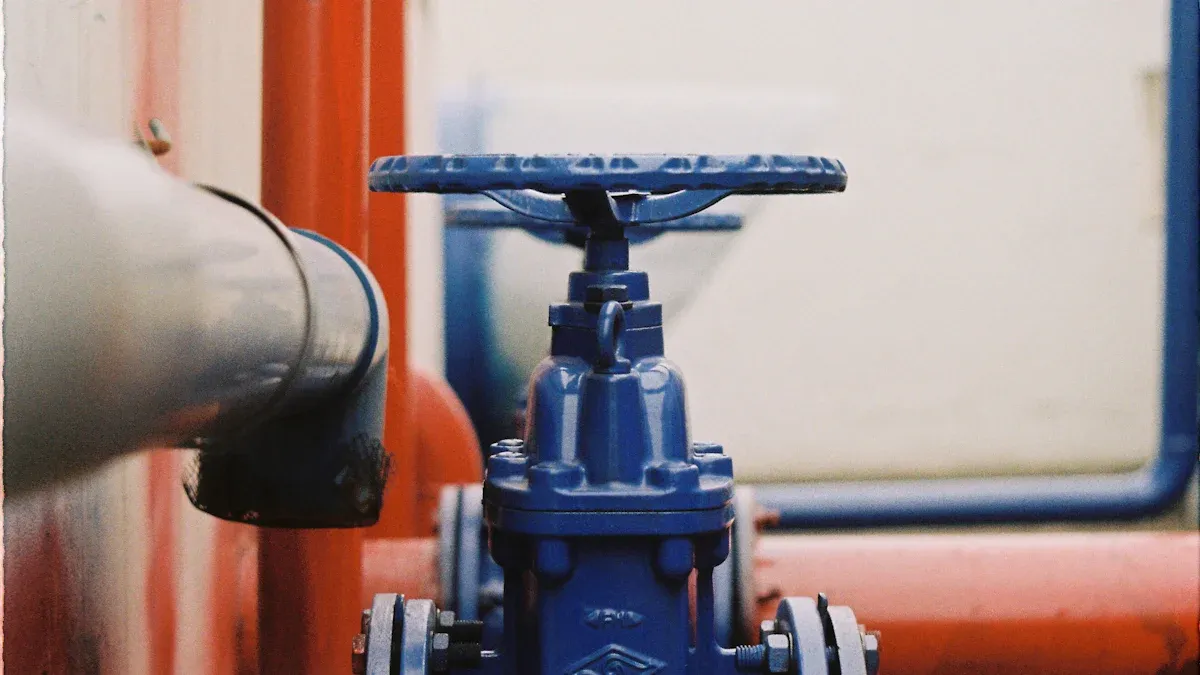
Zaporni ventili so običajno nameščeni v sistemih požarnih hidrantov. Zagotavljajo zanesljivo izolacijo dovoda vode, kar gasilcem zagotavlja hiter dostop do vode, ko jo potrebujejo.Ali so zaporni ventili primerni za uporabo pri dušenju?V sistemih z dvižnimi cevmi zaporni ventili omogočajo izolacijo določenih delov. Ta zmogljivost je ključnega pomena za vzdrževanje in zagotavlja, da drugi deli sistema ostanejo delujoči.
- Ball ValvesPri izbiri zapornih ventilov za protipožarne sisteme upoštevajte specifične zahteve uporabe in delovanja. Zaradi njihove sposobnosti zanesljivega zapiranja in odpornosti na visoke tlake so dragocena komponenta v različnih scenarijih.
- Gate ValvesKrogelni ventili so še posebej učinkoviti v različnih scenarijih znotraj protipožarnih sistemov. Zaradi svoje zasnove in učinkovitosti delovanja so primerni za specifične aplikacije, kjer sta hiter odziv in zanesljivost bistvenega pomena. Spodaj je navedenih nekaj idealnih situacij za uporabo krogelnih ventilov:
Zasilni izklop
Krogelni ventili so odlični v situacijah, ki zahtevajo hitro zapiranje. Njihovo delovanje s četrtinskim obratom omogoča takojšnje zapiranje, kar je ključnega pomena v primeru požara. Gasilci lahko hitro dostopajo do oskrbe z vodo, kar zagotavlja hiter odziv.
Visokotlačni sistemiAli so zaporni ventili primerni za uporabo pri dušenju?Vodovodne cevi
Gate Valves
- Pri protipožarnih sistemih upoštevajte njihovo hitro delovanje in nizek padec tlaka. Te lastnosti izboljšajo splošno delovanje in zanesljivost sistema.V sistemih za gašenje požara kroglični ventili omogočajo hitro aktivacijo. Omogočajo takojšen pretok vode do brizgalk, kar poveča učinkovitost gašenja požara.
- Potopni sistemiKrogelni ventili igrajo ključno vlogo v sistemih za drenažo, kjer je potrebno hitro sproščanje vode. Njihova zasnova omogoča hitro delovanje in zagotavlja, da voda brez zamika doseže predvidena območja.
- Hiter odziv med požariKdaj
Ball Valves
- Pri protipožarnih sistemih upoštevajte njihovo hitro delovanje in nizek padec tlaka. Te lastnosti izboljšajo splošno delovanje in zanesljivost sistema.Vrsta aplikacije
- Ključna prednostZasilni izklop
- Hiter odziv med požariVisokotlačni sistemiOhranja integriteto pod pritiskomVodovodne cevi
TipSistemi za škropljenje
Takojšnja aktivacija pretoka vode
Potopni sistemi
- Hitro sproščanje vode za zatiranjeSplošna učinkovitost požarnih sistemov
- Učinkovitostprotipožarni ventili
- pomembno vpliva na delovanje sistemov požarne varnosti. Tako zaporni ventili kot kroglični ventili igrajo ključno vlogo pri zagotavljanju zanesljivega pretoka vode v izrednih razmerah. Njihove edinstvene značilnosti prispevajo k splošni učinkovitosti prizadevanj za gašenje požarov.Zaporni ventili so odlični v aplikacijah, ki zahtevajo popolno zaporo pretoka. Zagotavljajo zanesljiv način za izolacijo delov protipožarnega sistema. Ta zmogljivost je bistvena med vzdrževanjem ali v nujnih primerih. Zaporni ventili omogočajo visok pretok, kar zagotavlja, da voda doseže kritična območja, ko je to potrebno. Njihova robustna konstrukcija prenese visoke tlake, zaradi česar so primerni za različna okolja.
- Po drugi strani pa kroglični ventili ponujajo hitro delovanje in nizek padec tlaka. Njihov mehanizem za četrtinski obrat omogoča hiter dostop do oskrbe z vodo, kar je ključnega pomena med požari. Gasilci lahko hitro aktivirajo kroglične ventile in tako zagotovijo takojšenpretok vode
- Ta hiter odziv lahko bistveno vpliva na učinkovito gašenje požarov. Poleg tega kroglični ventili ohranjajo tesnjenje, preprečujejo izgubo vode in povečujejo zanesljivost sistema.Uspešnost v nujnih primerih
V izrednih razmerah postane delovanje protipožarnih ventilov ključnega pomena. Tako zaporni ventili kot kroglični ventili imajo različno vlogo pri zagotavljanju učinkovitega gašenja požarov. Njihovi
operativne značilnostilahko bistveno vpliva na izid gašenja požarov.Zaporni ventili
| Valve Type | Kroglični ventili | V nasprotju s tem kroglični ventili ponujajo hitro delovanje. Njihov mehanizem za četrtinski obrat omogoča takojšen dostop do oskrbe z vodo. Ta hitra aktivacija je bistvenega pomena med požari, kjer je čas bistvenega pomena. Gasilci lahko hitro aktivirajo kroglične ventile in zagotovijo, da voda brez zamika teče na potrebna mesta. Poleg tega kroglični ventili vzdržujejo nizke padce tlaka, kar pomaga ohranjati tlak vode v celotnem sistemu. |
|---|---|---|
| Gate Valve | Zanesljiv za popolno izklop, vendar počasnejši za delovanje. | Zanesljiv za popolno izklop, vendar počasnejši za delovanje. |
| Ball Valve | Dolgoročna zanesljivost protipožarnih ventilov | Dolgoročna zanesljivost protipožarnih ventilov |
Dolgoročna zanesljivost je ključnega pomena za protipožarne ventile, saj te komponente igrajo pomembno vlogo pri zagotavljanju varnosti v izrednih razmerah. Tako zaporni kot kroglični ventili imajo edinstvene lastnosti, ki sčasoma vplivajo na njihovo zanesljivost.
- Zaporni ventili
- Vzdržljivost
- Zaporni ventili so pogosto izdelani iz robustnih materialov, kot sta nerjaveče jeklo ali medenina. Ti materiali izboljšajo njihovo odpornost na visoke tlake in temperature, kar prispeva k njihovi dolgi življenjski dobi.
- Zahteve za vzdrževanje
- Redno vzdrževanje zapornih ventilov je bistvenega pomena. Upravljavci morajo pregledati tesnila in notranje komponente, da preprečijo puščanje. Zanemarjanje vzdrževanja lahko povzroči zmanjšano zanesljivost in morebitne okvare v kritičnih trenutkih.
- Kroglični ventili
- Nizke potrebe po vzdrževanju
- Krogelni ventili običajno zahtevajo manj vzdrževanja kot zaporni ventili. Njihova zasnova zmanjšuje obrabo, kar jim omogoča učinkovito delovanje dlje časa.
- Odpornost proti koroziji
- Številni kroglični ventili uporabljajo materiale, odporne proti koroziji. Ta lastnost povečuje njihovo zanesljivost, zlasti v okoljih, izpostavljenih agresivnim kemikalijam ali ekstremnim pogojem.
- Napitnina
Za povečanje dolgoročne zanesljivosti protipožarnih ventilov bi morale organizacije uvesti rutinski pregledni urnik. Redni pregledi lahko odkrijejo morebitne težave, preden se stopnjujejo, in zagotovijo, da ventili ostanejo delujoči, ko je to potrebno.Tako zaporni kot kroglični ventili ponujajo različne prednosti in slabosti v sistemih protipožarne zaščite.Zaporni ventili
odlikujejo se z zagotavljanjem zanesljivih zapornih zmogljivosti in visoke pretočne zmogljivosti.
Kroglični ventili
- izstopajo zaradi hitrega delovanja in nizkega padca tlaka.Navsezadnje je izbira med temi ventili odvisna od specifičnih potreb požarnega sistema in operativnih zahtev.NapitninaOcenite edinstvene zahteve vsake aplikacije, da določite najbolj
- primeren tip ventilaza optimalno delovanje.Pogosta vprašanjaKakšna je glavna razlika med zapornimi ventili in krogličnimi ventili?
Zaporni ventili zagotavljajo zanesljivo krmiljenje vklopa/zapora, kroglični ventili pa ponujajo hitrejše delovanje z minimalnim padcem tlaka. Zaradi tega so kroglični ventili bolj primerni za nujne primere.Ali so zaporni ventili primerni za uporabo pri dušenju?Zaporni ventili se lahko uporabljajo za dušenje, vendar za ta namen niso idealni. Njihova zasnova je namenjena predvsem popolni zaporni pretok.
| Kako pogosto je treba vzdrževati protipožarne ventile? | Redno vzdrževanje je bistvenega pomena tako za zapornice kot za kroglične ventile. Tehniki bi jih morali pregledati vsaj enkrat letno, da zagotovijo pravilno delovanje in preprečijo puščanje. |
|---|---|
| Ali lahko kroglični ventili prevajajo umazane tekočine? | Kroglični ventili imajo težave s tekočinami, ki vsebujejo trdne snovi ali ostanke. Onesnaževalci lahko preprečijo pravilno tesnjenje, kar lahko povzroči puščanje v protipožarnih sistemih. |
| Kateri dejavniki vplivajo na izbiro med zapornimi in krogličnimi ventili? | Izbira je odvisna od specifičnih potreb aplikacije, kot so zahtevani odzivni čas, nadzor pretoka in tlačni pogoji. Ocenite te dejavnike, da določite najboljši tip ventila. |
| Čas objave: 20. marec 2026 | Kontakt |
Obiščite nasZheJiang World Gasilska oprema CO., LTD.Pokličite nas
13685872522
13968219316
- Naš e-poštni naslovPošlji povpraševanje
- KorejščinaPošlji e-pošto
- WhatsAppPritisnite Enter za iskanje ali ESC za zapiranje
- AngleščinaFrancoščina
- NemščinaPortugalščina
Španščina
| Ruščina | Kazaščina |
|---|---|
| Korejščina | arabščina |
| Irski | Grščina |
| turščina | Italijanščina |
Danščina
Romunščina
IndonezijščinaČeškaAfrikaans
- švedščinapoljščina
- baskovščinaKatalonski
Esperanto
Hindijščina
LaoAlbanecAmharščina
- ArmenskiAzerbajdžanščina
- BeloruščinaBengalščina
- BosanskiBolgarščina
Cebuansko
- Čičeva
- Korzikanec
- hrvaščina
- Nizozemščina
EstonščinaFilipinec
| Valve Type | Frizijščina | galicijščina |
|---|---|---|
| Ball Valve | Hebrejščina | havajski |
| Gate Valve | havajski | Hebrejščina |
Hmong
madžarščina
IslandščinaIgboščinaJavanski
| Kannada | Kazaščina |
|---|---|
| Kmerščina | Kurdščina |
| Kirgizijščina | Latinsko |
| Latvijščina | Litovščina |
Luksemburg ...MakedonščinaMadagaskarski
- MalajščinaMalajalamščina
- MalteščinaMaori
- Maratščinamongolščina
Burmanski
Nepalščina
norveščina
Paštunščinaperzijščina:
- pandžabščinaSrbščina
- SesothoSinhalaSlovaščinaslovenščina
- SomalščinaSamoanski
Škotska gelščina
Šona
Sindhi
SundanščinasvahiliTadžik
- TamilščinaTelugu
- TajskaUkrajinščina
Urdujščina
| Valve Type | Vietnamščina | Valižanščina | Kosovščina |
|---|---|---|---|
| Jidiš | Jorubščina | Zulujščina | kinjaruandščina |
| Tatar | Oriščina | Turkmenščina | Ujgurščina |
Low pressure drop in ball valves enhances water flow in fire system pipelines. This efficiency ensures that firefighters receive adequate water supply quickly, which is vital for effective firefighting. The ability to maintain pressure during operation allows for consistent water delivery, even in high-demand situations.
Disadvantages of Ball Valves
While ball valves offer numerous advantages, they also present several disadvantages that can affect their performance in fire protection systems. Understanding these limitations is crucial for making informed decisions. Here are some key drawbacks:
- Inability to Provide Gradual Shut-off: Ball valves operate with a quarter-turn action. This rapid shut-off can lead to sudden pressure changes, potentially damaging systems like fire protection sprinklers. Such abrupt shifts in pressure may compromise the integrity of the entire system.
- Corrosion and Erosion Issues: Depending on the material used, ball valves can corrode or erode when exposed to harsh substances. This deterioration can result in leaks and reduced performance over time. Operators must consider the fluid characteristics to mitigate these risks.
- Difficulty in Handling Dirty Fluids: Ball valves struggle with fluids containing solids or debris. These contaminants can prevent proper sealing, leading to leakage. In fire protection systems, where reliability is paramount, this limitation can pose significant challenges.
- Higher Initial Costs: Compared to gate valves, ball valves typically have a higher initial purchase price. This cost factor can deter some organizations from choosing them, especially when budget constraints exist.
- Limited Throttling Capability: Ball valves are primarily designed for on/off service. They do not perform well when used for throttling applications. This limitation can hinder flow regulation in certain scenarios, making them less versatile than other valve types.
Higher Initial Cost of Ball Valves
Ball valves typically come with a higher initial cost than gate valves. This price difference can influence purchasing decisions for fire protection systems. Organizations must weigh the benefits against the financial implications. Here are some key points regarding the costs associated with ball valves:
- Material Quality: Ball valves often use high-quality materials, such as stainless steel or brass. These materials enhance durability but increase production costs.
- Complex Design: The design of ball valves includes more intricate components, which can drive up manufacturing expenses.
- Performance Features: Ball valves offer superior sealing capabilities and quick operation. These features justify the higher price for many applications.
Cost Comparison Table
| Valve Type | Initial Cost Range (8″ Class 300) | Initial Cost Range (24″) |
|---|---|---|
| Gate Valve | $12K – $18K | $12K – $18K |
| Ball Valve | $45K – $75K | $45K – $75K |
Tip: When budgeting for fire protection systems, consider both the initial costs and the long-term benefits of each valve type.
Despite the higher upfront costs, ball valves can provide long-term savings. Their durability and low maintenance requirements often lead to reduced operational costs over time. Organizations should evaluate their specific needs and budget constraints before making a decision.
Limited Flow Control of Ball Valves
Ball valves primarily serve as on/off devices. Their design limits their ability to provide precise flow control. This limitation can impact their effectiveness in certain fire protection applications. Here are some key points regarding the flow control capabilities of ball valves:
- On/Off Functionality: Ball valves excel at quickly shutting off or allowing fluid flow. However, they do not perform well when operators need to adjust flow rates gradually.
- Throttling Issues: When partially opened, ball valves can create turbulence. This turbulence can lead to pressure drops and inconsistent flow rates. Such behavior can hinder the performance of fire suppression systems.
- Flow Regulation: Ball valves are not suitable for applications requiring fine flow regulation. Their design does not allow for gradual adjustments. This limitation can be problematic in scenarios where precise water delivery is essential.
Tip: For applications that require flow modulation, consider using gate valves or other valve types designed for throttling.
The table below summarizes the flow control capabilities of ball valves compared to gate valves:
| Valve Type | Flow Control Capability | Ideal Use Case |
|---|---|---|
| Ball Valve | Limited | On/off service |
| Gate Valve | Moderate | Throttling and flow regulation |
Applications in Fire Systems
Fire protection valves play a critical role in various applications within fire protection systems. Their selection depends on specific operational requirements and the nature of the fire protection strategy. Below are some key applications for both gate valves and ball valves in fire systems:
1. Fire Sprinkler Systems
Fire sprinkler systems utilize both gate and ball valves to control water flow. Gate valves serve as the main shut-off valves, allowing for complete closure during maintenance or emergencies. Ball valves, on the other hand, provide quick access to water supply, enabling rapid response during fire incidents.
2. Standpipe Systems
Standpipe systems, commonly found in commercial buildings, rely on fire protection valves to ensure adequate water supply for firefighting efforts. Gate valves are often used to isolate sections of the system, while ball valves facilitate quick operation for immediate water access.
3. Fire Hydrant Systems
Fire hydrant systems require reliable and efficient valves to ensure firefighters can access water quickly. Gate valves are typically installed at the main supply line to control water flow to hydrants. Ball valves may also be used for quick shut-off in emergency situations.
4. Deluge and Pre-Action Systems
In deluge and pre-action fire suppression systems, fire protection valves play a vital role in controlling water flow to sprinkler heads. Gate valves can isolate sections of the system for maintenance, while ball valves allow for rapid activation of water flow when needed.
5. Industrial Applications
In industrial settings, fire protection valves are essential for safeguarding against fire hazards. Gate valves are often used in high-pressure applications, while ball valves are favored for their quick operation and low pressure drop, making them suitable for various fire suppression systems.
6. Residential Fire Protection
Residential fire protection systems also benefit from the use of fire protection valves. Gate valves provide reliable shut-off capabilities, while ball valves ensure quick access to water supply for firefighting efforts.
Tip: When selecting valves for fire protection systems, consider the specific application and operational requirements. Each valve type offers unique advantages that can enhance system performance.
Suitable Scenarios for Gate Valves
Gate valves are particularly effective in various scenarios within fire protection systems. Their design and functionality make them suitable for specific applications where reliable flow control is essential. Below are some ideal situations for using gate valves:
- Main Water Supply Isolation: Gate valves serve as the primary shut-off mechanism for the main water supply in fire protection systems. They allow for complete closure during maintenance or emergencies, ensuring that the system remains safe and operational.
- High-Pressure Applications: In environments where high pressure is a concern, gate valves excel. Their robust construction can withstand significant pressure without compromising performance. This durability makes them ideal for industrial settings.
- Large-Diameter Pipelines: Gate valves are often used in large-diameter pipelines where flow control is necessary. Their design minimizes flow restriction, allowing for efficient water delivery during emergencies.
- Fire Hydrant Systems: Gate valves are commonly installed in fire hydrant systems. They provide reliable isolation of the water supply, ensuring that firefighters can access water quickly when needed.
- Standpipe Systems: In standpipe systems, gate valves allow for the isolation of specific sections. This capability is crucial for maintenance and ensures that other parts of the system remain operational.
Tip: When selecting gate valves for fire protection systems, consider the specific application and operational requirements. Their ability to provide reliable shut-off and withstand high pressures makes them a valuable component in various scenarios.
Suitable Scenarios for Ball Valves
Ball valves are particularly effective in various scenarios within fire protection systems. Their design and operational efficiency make them suitable for specific applications where quick response and reliability are essential. Below are some ideal situations for using ball valves:
- Emergency Shut-off: Ball valves excel in situations requiring rapid shut-off. Their quarter-turn operation allows for immediate closure, which is critical during fire emergencies. Firefighters can quickly access water supply, ensuring a swift response.
- High-Pressure Systems: In high-pressure environments, ball valves maintain their integrity and performance. Their robust construction withstands significant pressure, making them ideal for industrial applications where safety is paramount.
- Water Supply Lines: Ball valves are commonly used in water supply lines for fire protection systems. Their ability to provide leak-proof sealing ensures that water remains contained, preventing wastage and maintaining system efficiency.
- Sprinkler Systems: In fire sprinkler systems, ball valves facilitate quick activation. They allow for immediate water flow to sprinkler heads, enhancing the effectiveness of fire suppression efforts.
- Deluge Systems: Ball valves play a crucial role in deluge systems, where rapid water release is necessary. Their design enables quick operation, ensuring that water reaches the intended areas without delay.
Tip: When selecting ball valves for fire protection systems, consider their quick operation and low pressure drop. These features enhance overall system performance and reliability.
| Application Type | Key Benefit |
|---|---|
| Emergency Shut-off | Rapid response during fires |
| High-Pressure Systems | Maintains integrity under pressure |
| Water Supply Lines | Prevents leaks and wastage |
| Sprinkler Systems | Immediate water flow activation |
| Deluge Systems | Quick water release for suppression |
Overall Effectiveness in Fire Systems
The effectiveness of fire protection valves significantly impacts the performance of fire safety systems. Both gate valves and ball valves play crucial roles in ensuring reliable water flow during emergencies. Their unique characteristics contribute to the overall efficiency of fire suppression efforts.
Gate valves excel in applications requiring complete flow shut-off. They provide a reliable means to isolate sections of a fire protection system. This capability is essential during maintenance or emergencies. Gate valves allow for high flow capacity, ensuring that water reaches critical areas when needed. Their robust construction withstands high pressures, making them suitable for various environments.
On the other hand, ball valves offer rapid operation and low pressure drop. Their quarter-turn mechanism allows for quick access to water supply, which is vital during fire incidents. Firefighters can swiftly activate ball valves, ensuring immediate water flow. This quick response can make a significant difference in controlling fires effectively. Additionally, ball valves maintain leak-proof sealing, preventing water loss and enhancing system reliability.
Performance in Emergencies
In emergency situations, the performance of fire protection valves becomes critical. Both gate valves and ball valves play distinct roles in ensuring effective firefighting efforts. Their operational characteristics can significantly influence the outcome of fire suppression activities.
Gate Valves
Gate valves provide reliable shut-off capabilities. They excel in applications where complete flow control is necessary. However, their slower operation can hinder response times during emergencies. Firefighters may face delays when attempting to open or close these valves, as they require multiple turns. This limitation can be detrimental in situations where every second counts.
Ball Valves
In contrast, ball valves offer rapid operation. Their quarter-turn mechanism allows for immediate access to water supply. This quick activation is essential during fire incidents, where time is of the essence. Firefighters can swiftly engage ball valves, ensuring that water flows to the necessary areas without delay. Additionally, ball valves maintain low pressure drops, which helps sustain water pressure throughout the system.
Summary of Performance
- Gate Valves: Reliable for complete shut-off but slower to operate.
- Ball Valves: Quick to activate, ensuring immediate water flow and maintaining pressure.
Long-Term Reliability of Fire Protection Valves
Long-term reliability is crucial for fire protection valves, as these components play a vital role in ensuring safety during emergencies. Both gate and ball valves exhibit unique characteristics that influence their reliability over time.
Gate Valves
- Durability: Gate valves often feature robust materials, such as stainless steel or brass. These materials enhance their ability to withstand high pressures and temperatures, contributing to their longevity.
- Maintenance Requirements: Regular maintenance is essential for gate valves. Operators should inspect seals and internal components to prevent leaks. Neglecting maintenance can lead to reduced reliability and potential failures during critical moments.
Ball Valves
- Low Maintenance Needs: Ball valves typically require less maintenance than gate valves. Their design minimizes wear and tear, allowing them to function effectively for extended periods.
- Corrosion Resistance: Many ball valves utilize corrosion-resistant materials. This feature enhances their reliability, especially in environments exposed to harsh chemicals or extreme conditions.
Tip: To maximize the long-term reliability of fire protection valves, organizations should implement a routine inspection schedule. Regular checks can identify potential issues before they escalate, ensuring that valves remain operational when needed.
Both gate and ball valves offer distinct advantages and disadvantages in fire protection systems.
- Gate valves excel in providing reliable shut-off capabilities and high flow capacity.
- Ball valves stand out for their quick operation and low pressure drop.
Ultimately, the choice between these valves hinges on specific fire system needs and operational requirements.
Tip: Assess the unique demands of each application to determine the most suitable valve type for optimal performance.
FAQ
What is the primary difference between gate valves and ball valves?
Gate valves provide reliable on/off control, while ball valves offer quicker operation with minimal pressure drop. This makes ball valves more suitable for emergency situations.
Are gate valves suitable for throttling applications?
Gate valves can be used for throttling, but they are not ideal for this purpose. Their design is primarily for complete flow shut-off.
How often should fire protection valves be maintained?
Regular maintenance is essential for both gate and ball valves. Technicians should inspect them at least once a year to ensure proper functionality and prevent leaks.
Can ball valves handle dirty fluids?
Ball valves struggle with fluids containing solids or debris. Contaminants can prevent proper sealing, leading to potential leaks in fire protection systems.
What factors influence the choice between gate and ball valves?
The choice depends on specific application needs, such as required response time, flow control, and pressure conditions. Evaluate these factors to determine the best valve type.
Post time: Mar-20-2026